Following Labours landslide victory in the General Election on 4th July, we have witnessed a rapid changeover of power and a new governing party who clearly want to move fast and be seen doing so. Already they have begun work on many of their flagship policies including creating GB Energy, the renationalisation of our rail network, and plans to reform planning to get more houses built. None of this is a surprise; they align to Starmer’s manifesto commitments and the missions he endlessly spoke about during the election campaign. What is somewhat of a surprise was Chancellor Rachel Reeve’s assessment of the public finances, and her subsequent decisions which certainly don’t seem to suggest a “decade of national renewal” is underway.
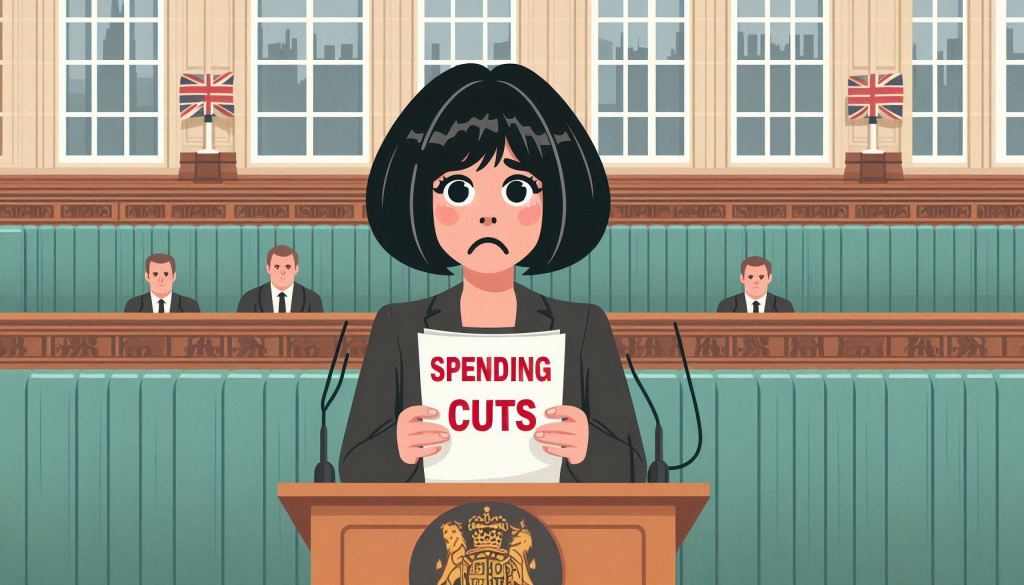
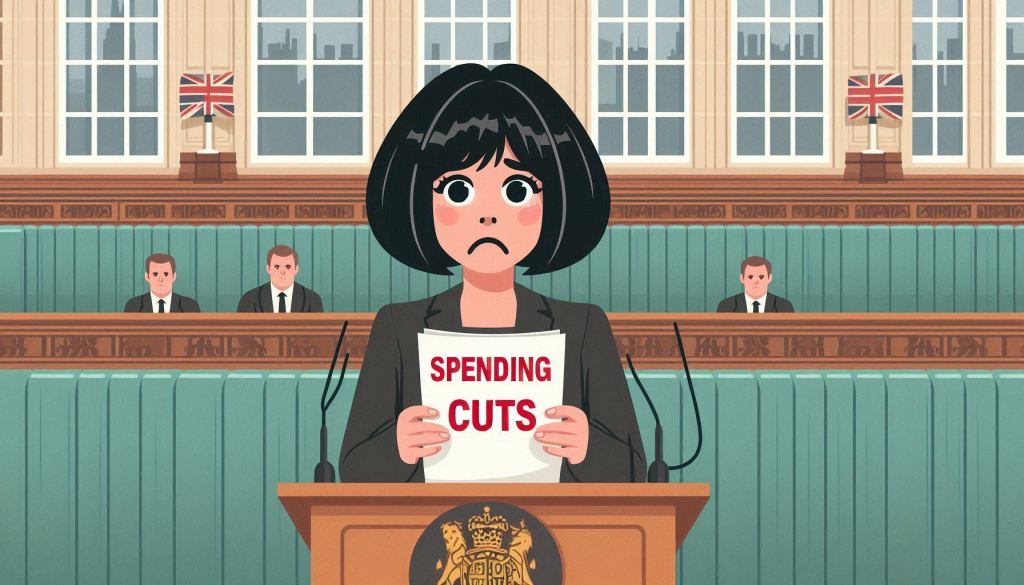
Speaking in the House of Commons on Monday, Rachel Reeves was stark in her assessment. She had asked for a rapid audit of all departmental spending, and the results were bad. Somehow, the previous Conservative Government had neglected to mention a £22 Billion blackhole in their finances. The now Shadow Chancellor Jeremy Hunt attempted to hit back and claim that this was all known to the Labour Party during the campaign through the Office for Budget Responsibility (OBR), an attack that was somewhat undone by letter quickly released by the head of the OBR essentially stating that they didn’t know about the overspend either. What has happened is essentially the equivalent of buying a house that you know needs a lot of work done, but where you are told the foundations are solid, before tearing up the carpet and realising the floorboards are rotting and there are issues with subsidence. Faced with an unexpectedly worse inheritance, what happened next is strangely reminiscent of 2010.
Back in 2010, once the coalition between the Conservative and the Lib Dems was agreed, the narrative was framed that there was no money left. A letter, left by the then chief secretary to the treasury Liam Byrne famously told the incoming government “I’m afraid there is no money”. This was used relentlessly and ruthlessly by successive Conservative Prime Ministers to attack Labour’s economic record to great effect. It was used as the basis for the Conservative’s damaging austerity plan which has caused misery to millions and is arguably the root cause of many issues we are facing today. It seems clear that that the first part of this strategy is being used by Reeves and Labour now. While there is no ‘smoking gun’ of a letter, we don’t need one to look around and see how bad things are. The voters know that the Conservatives have trashed the economy, which is why they were so comprehensively booted out. But if people voted for Labour hoping for change and renewal, what Reeves announced next may be a surprise.
With echoes of Osborne in 2010, Reeves followed up her diagnosis with an austere course of treatment. Using the repeated mantra of “If we cannot afford it, we cannot do it”, the Chancellor announced she was asking government departments to find savings totalling £3 Billion. These are in departments whereby spending has barely increased in the last decade, who are already struggling to hit targets. It is unclear how Reeves and Starmer expect to renew public services if they are not prepared to provide the money needed to do so – ‘efficiency savings’ only work if services haven’t already been cut to the bone.
Along side this, Reeves also announced several infrastructure projects would be scrapped or mothballed, including further reducing the white elephant project of HS2 so that it would barely reach London at all. Some of these projects, such as the Arundel Bypass have been approved, scrapped, delayed and amended so often they are somewhat of a running joke. But again, the direction of this new government is clear – they can no longer afford to do even some of the things they had hoped to do.
So far these have focused on the ‘spend’ side of the equation, so what about income and taxes? The other key announcement from the Chancellor was the scrapping of the ‘Winter Fuel Allowance’ for any pensioner not in receipt of Pension Credit. Taking money away from pensioners is never something a Conservative party would wish to do, however Labour are clearly aware there is unfairness in the current policy. Before these changes, someone born before 25th Sept 1957 could get between £250-£600 to help with heating bills. This benefit costs the government around £2 Billion a year, but as it is not means tested based on need, a wealthy pensioner living in luxury receives it just as a pensioner living in poverty does. This is clearly illogical, but scrapping the system may not be simple to implement. It means ensuring those who are entitled to pension tax credit take it up, to ensure they receive the heating subsidy they may need. It will likely be challenging for the DWP to administer, and therefore may not save as much money as expected.
The final part of the puzzle, which has yet to be fully unveiled by Reeves, is on further tax rises. While she was emphatic at the dispatch box in stating “We will not increase National Insurance, the basic, higher, or additional rates of Income Tax, or VAT” she failed to rule out rising many other taxes. This chimes with what was said during the election campaign, where the line used by Labour was not to rise taxes “On working people”. This cleverly disguises the fact that people who earn money not through a job but through property, investments or indeed through pensions are not ‘working people’. This leaves open increases to Capital Gains Tax, Inheritance Tax and many others. It also means there is some scope to change what tax is levied on; for example, moving more products into the scope of VAT, or in continuing to freeze the bands for Income Tax dragging more people into its scope.
Reeves all but admitted that tax rises are on their way in an interview with the News Agents Podcast. There is of course an argument about whether we need to raise more in taxes, or tax people differently, but on the line here is something different; Labour’s credibility. Had they been more honest at the election and said, “We aren’t going to rise those 3 main taxes, but we reserve the right to look at others if needed”, then they would have the political capital to be doing this now. By attempting to look like all tax rises were off the cards (apart from limited exceptions like VAT on public schools), they now look like they have performed a U-turn by stealth.
So, we now find ourselves with a further squeeze on public services and government departments, a reduction in some benefits for pensioners and a promise that there may be more to come. It’s hard to escape the conclusion that instead of renewal and investment in our public services, we have instead slipped into another round of austerity.


 Politics with Alex
Leave a comment