Every day since Trump returned to the Whitehouse for his second term, the gears of international politics seem to be grinding ever faster and more dangerously. Way back in his first term Trump was clear that he felt other countries should be spending more on their defence, and during his election campaign in 2024 he suggested that NATO countries needed to double their spending on defence to 5% of GDP. This should be a shock to NATO members, who have had years of warnings from Trump, and three grim years of the Ukraine/Russia conflict to act. We have been lulled into a false sense of security by believing that the USA would always have our back, that the most powerful millitary in the world was on our side.
Instead, since Trumps inauguration, he has made it even clearer than his first term that the defence of Europe should be dealt with and paid for by Europe. He and his acolyte Musk have defunded USAID, humiliated Zeleknsy on his visit to Washington, and just this week has suspended the delivery of weapons to Ukraine while limiting intelligence sharing with Ukraine, making it harder for Ukraine to defend themselves against the Russian invasion. Last time round, there was a tendency to take Trump seriously, but not literally at his word. This time, we have to take what he says literally. When he decides to act, the President of the most powerful economic and millitary nation in the world will act, leaving others reeling in his path.
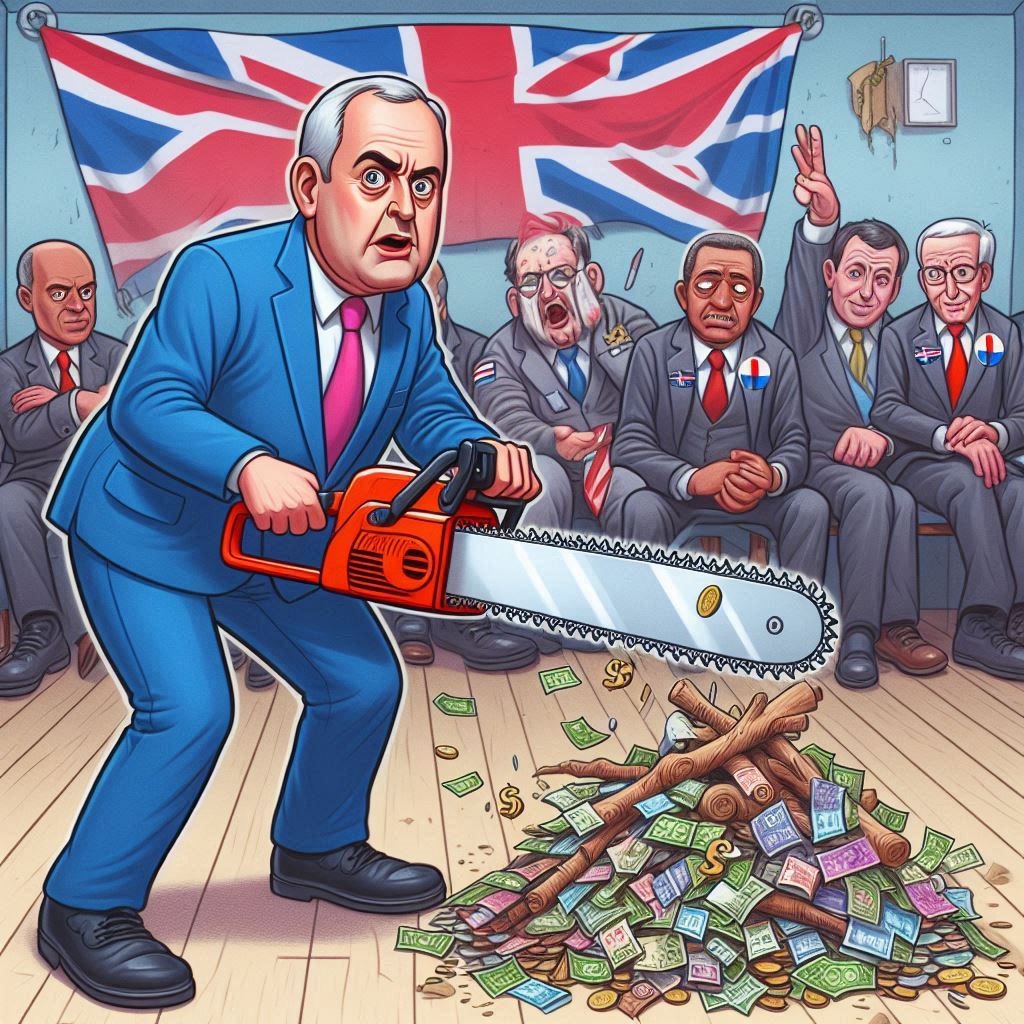
Prior to his visit to Washington last week, Prime Minister Keir Starmer announced to great fanfare that he would indeed start to increase spending on UK defence to 2.5% earlier than planned, with the aim of going even further in the next Parliament. This, he said, was the “biggest sustained increase in defence spending since the Cold War”. And how would it be paid for? By cutting the overseas aid budget from 0.5% to 0.3%. This represents a loss of nearly £6bn a year and resulted in his Development Minister Anneliese Dodds resigning in protest.
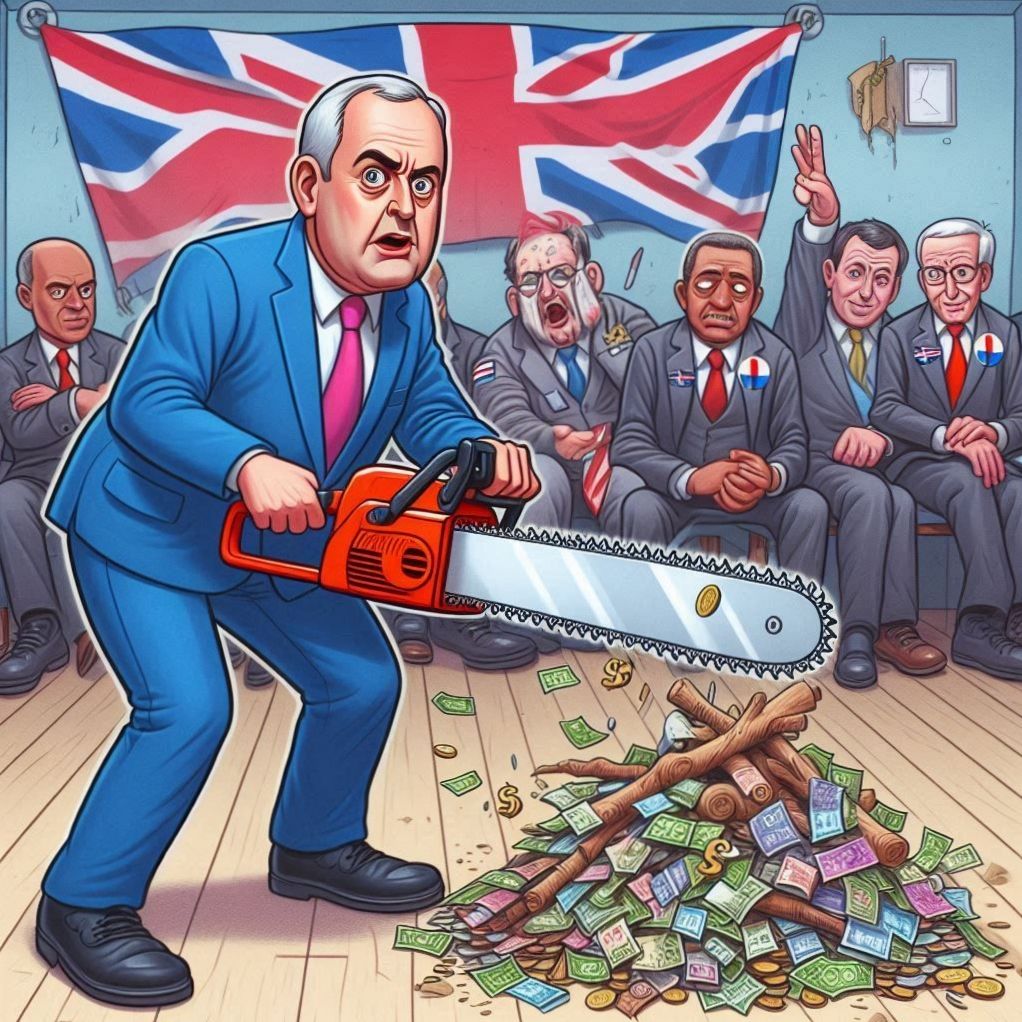
This decision is wrong for a number of reasons:
- It weakens our “soft power” in the developing world: The UK punches well above its weight in many global “soft power” indexes – that is a countries ability to influence other countries without the use of millitary force. Part of this is our cultural output, but part of this is our commitment to overseas development and promoting democracies and the rule of law around the world. Countries like China are already rapidly climbing these rankings with their massive programs of loans in the ‘belt and road’ initiative. If we are seen to step away from this, other less democratic countries will rush to fill the void. This makes will make it harder for us to build partnerships or alliances around the world.
- It will make things more dangerous in many countries: Money spent on development and aid abroad is a lifeline for millions of the poorest people. Without it, there is a risk of famine and conflict. Reading the Daily Hate may make you believe that all foreign aid is spent “Woke” programs to support the “Ethiopian Spice Girls“. Needless to say, even if there is some dubious spending, this represents a tiny fraction of the overall budget. The vast majority of aid goes to fuding vital work on the ground. Cutting aid could lead to famine, which could lead to political instability, conflict, and extremism. There is a reason people are risking their lives to cross the channel in small boats – because life in their home country is intolerable. We risk exacerbating the issue down the line by pilfering the aid budget now.
- The amount spent on Aid in the UK means the cuts abroad are even more devastating: Nearly a third of what we spend on overseas aid is actually currently spent on hosting asylum seekers and refugees in the UK. While the Home Office is attempting to clear this backlog, it will not be a quick job and we obviously cannot simply stop funding this part of aid, no matter how much the right wing may want us to. This means that the decrease from 0.5% to 0.3% means the proportion going abroad is even smaller. There is an argument that money spent in the UK on such things shouldn’t even come out of the “Foreign” aid budget, but instead from the Home Office, which would create an incentive for them to process claims efficiently and effectively.
- It is a breaking of another manifesto commitment: In their 2024 election manifesto Labour claimed they were “committed to restoring development spending at the level of 0.7 per cent of gross national income as soon as fiscal circumstances allow”. Yet here they have done the exact opposite, slashing instead of adding 0.2% from it. Yes, of course there is the argument that we are not in the “fiscal circumstances”. But quite frankly, when will we be? There will always be another demand, another worthy cause, another crisis. It is an easy budget to raid as it appeases right wingers but a difficult budget to restore. It also weakens Labour’s moral authority and makes them seem callous to the plight of the world poorest.
There are no easy options, and the UK is clearly in a difficult financial situation. If the US is no longer the ally we believed it to be, then unfortunately in a more dangerous world it appears the UK and its remaining allies in Europe will have to spend more on defence. But by cutting the foreign aid budget we risk making ourselves look weaker, cowtowing to Trump and the far right, while making ourselves less safe and leading to the potential deaths of many in the poorest countries in the world.

 Politics with Alex
Leave a comment